
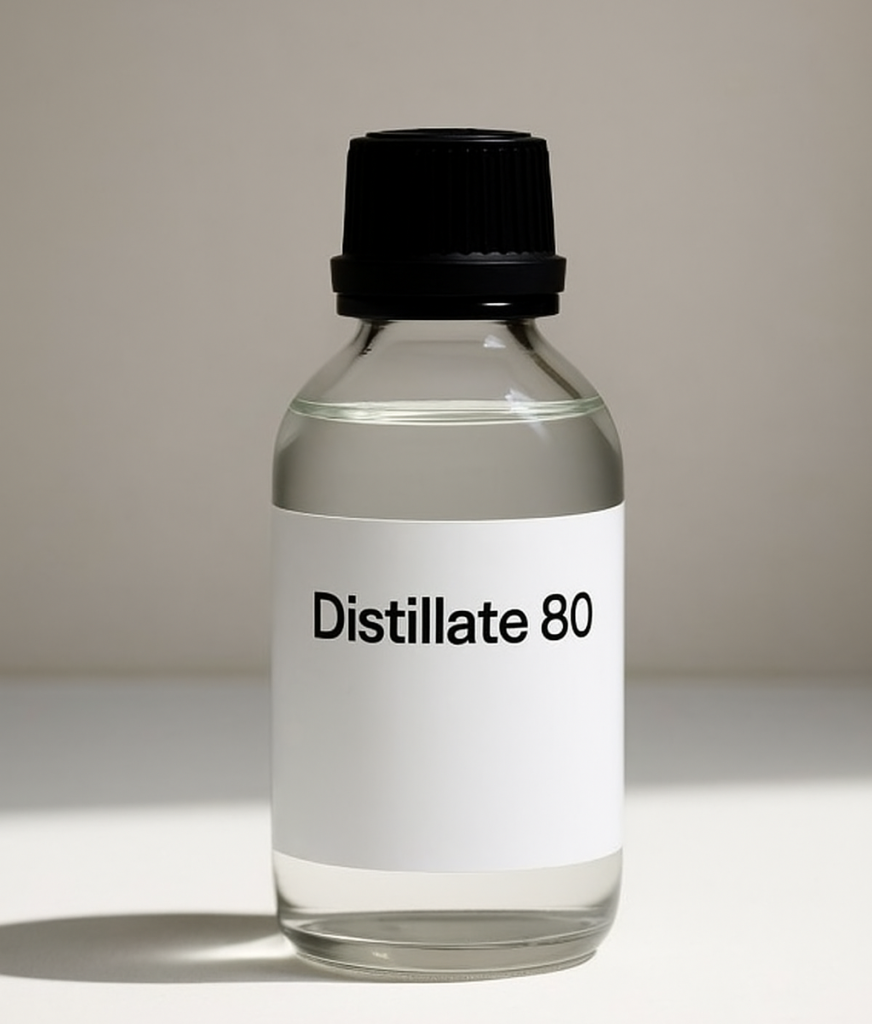
What is Distillate 80?
Distillate 80 refers to a grade or specification of distillate fuel — a refined petroleum product derived from crude oil via distillation. While the term isn’t universally standardized (in some cases “80” could refer to density, cetane rating, or a local/regional classification), in general distillate fuels include products like diesel, heating oil, kerosene, and gas oils. These are lighter than residual heavy fuels and are prized for their cleaner burn, higher energy density, and versatility.
Key Characteristics of Distillate 80
-
Purity and Refinement: Distillate 80 is a more refined fuel with fewer impurities compared to residual fuels.
-
Viscosity: It has a low viscosity, making it easier to pump and burn in engines and boilers.
-
Energy Density: Distillate 80 provides higher energy content per volume than heavier fuels, making it an efficient option for energy consumption.
-
Sulfur Content: It generally has a moderate sulfur content depending on regulations, making it cleaner to burn than heavier oils like bunker fuel.
-
Cold-Start Performance: It has better cold-start performance compared to heavier oils, as it burns more easily in lower temperatures.
Common Uses of Distillate 80
Distillate 80 is a versatile fuel and is used across various sectors due to its reliable performance, clean burn, and energy efficiency. Its primary applications include:
1. Diesel Engines:
One of the most common uses for D80 is in diesel engines. This includes applications such as:
-
Trucks: Heavy-duty trucks rely on diesel engines, which often use distillate fuel for both long-haul trucking and local deliveries.
-
Heavy Machinery: Construction equipment, agricultural machinery, and mining equipment also use distillate fuel to provide the necessary power.
-
Generators: Diesel generators are used as backup or primary power sources in areas with unreliable grid power.
2. Heating Systems:
Distillate 80 is widely used in home and industrial heating systems, especially in areas that rely on heating oil. It is used in:
-
Residential Heating: In homes, especially in colder climates, distillate fuel is used in oil-burning furnaces for efficient home heating.
-
Industrial Boilers: Factories and other industrial facilities use distillate 80 to fuel their boilers, which generate heat for production processes.
3. Marine and Shipping:
D80 is used in smaller vessels, where cleaner-burning fuels are preferred. Marine applications include:
-
Support Vessels: Smaller support ships and boats use distillate 80 for better performance and fewer emissions.
-
Cargo Ships: Some modern cargo ships and ferries use distillate fuels in place of residual fuels to comply with emissions regulations, especially in international waters.
4. Aviation:
In some cases, distillate 80 fuel can be used in aviation applications for smaller aircraft and support vehicles.
5. Industrial Processes:
Distillate 80 is also used as fuel for industrial burners, furnaces, and other combustion-based processes. It is favored for its ability to maintain consistent energy output while emitting fewer pollutants compared to other fuels.
Advantages of Using D80
Distillate 80 offers several advantages that make it highly desirable in various industries:
1. Cleaner Combustion:
One of the main benefits of using D80 is that it burns more cleanly than heavier fuels such as bunker oil. It produces fewer particulate emissions, sulfur compounds, and soot during combustion, which is crucial for reducing environmental pollution, especially in urban areas and industrial regions.
2. Cold-Start Performance:
Distillate 80 performs better in cold weather conditions compared to heavier oils like residual fuel or crude. This makes it particularly suitable for areas with colder climates, ensuring that machinery, vehicles, and equipment start easily without the need for special additives.
3. Energy Efficiency:
With its high energy density, D80 provides more energy per unit of fuel, making it a cost-effective solution for long-term operations. This energy density helps reduce operating costs for industries that rely on large quantities of fuel, such as shipping, construction, and manufacturing.
4. Versatility:
Distillate 80 is used across multiple industries due to its flexibility. From diesel engines and industrial heating to backup power generation, distillate 80 can support various needs, making it a highly versatile fuel option.
Countries Importing D80
Several countries and regions import significant quantities of distillate fuels, including distillate 80, to meet domestic demand for power generation, transport, and heating:
-
Mexico: As a close neighbor to the U.S., Mexico imports a large volume of distillates, including diesel fuel, for both transportation and industrial uses.
-
Europe: Countries in Europe, including Germany, France, and the United Kingdom, are major importers of distillates, especially for use in transport and energy production.
-
South America: Countries like Brazil, Argentina, and Chile rely heavily on imports of distillate fuel for use in agriculture, transport, and industrial activities.
-
India: As one of the largest energy consumers globally, India imports large quantities of distillate fuels, primarily for transportation and industrial purposes.
-
Japan and South Korea: Both countries, with their advanced industrial and shipping sectors, import significant amounts of distillate fuels for use in various sectors, including shipping, transport, and power generation.
Supplier of D80 Worldwide
RAHA Oil Co is a dependable supplier of D80, offering high-quality Distillate 80 to meet diverse industrial requirements. With a strong commitment to consistency and safety, RAHA Oil Co ensures its products adhere to both domestic and international standards.
Our efficient logistics and secure packaging mean reliable and timely delivery, making Us a trusted partner.
for more information and inquiry please contact us below:
+90 507 246 95 20 / +98 913 288 4959
Head Office: Dubai, Business Bay / Ankara, Turkey
salem@rahaoil.com / info@rahaoil.com
https://www.rahaoil.com
